A medida que el jardín se instala en su tranquila fase invernal, podría parecer un momento de descanso. Sin embargo, esta temporada de letargo ofrece una oportunidad de oro para una de las tareas de jardinería más impactantes: la poda. La poda invernal es un paso crucial para preparar el terreno para un jardín sano, vibrante y productivo en primavera. Con las técnicas y herramientas adecuadas, podrás dar forma a tus plantas con confianza, mejorar su salud y asegurar una espectacular exhibición de crecimiento cuando el tiempo se caliente. Esta guía te proporcionará consejos esenciales para ayudarte a dominar el arte de la poda invernal.
Por qué el invierno es un buen momento para podar
La poda durante el letargo de una planta es una práctica arraigada en la ciencia hortícola. Aprovecha el ciclo natural de la planta para promover el vigor y la salud.
Beneficios de la poda en la temporada de letargo
- Mejor visibilidad – Sin hojas que obstruyan la vista, la estructura ramificada de árboles y arbustos queda al descubierto. Esta claridad permite detectar fácilmente problemas como ramas cruzadas, uniones débiles y madera muerta o enferma, lo que permite cortes más precisos y estratégicos.
- Mejora de la salud de la planta – La poda durante el letargo es menos estresante para la planta. Puede dedicar sus reservas de energía a curar los cortes y prepararse para el crecimiento primaveral, en lugar de intentar sostener el follaje. Esto conduce a un brote de crecimiento más vigoroso cuando cambia la estación.
- Reducción del riesgo de enfermedades – Muchos patógenos vegetales, incluidos hongos y bacterias, están inactivos con el frío. La poda en esta época reduce significativamente el riesgo de que estos organismos infecten las heridas frescas.
Riesgos de omitir la poda invernal
Descuidar la poda puede provocar varios problemas. Las ramas superpobladas pueden reducir el flujo de aire y la penetración de la luz, lo que crea el entorno perfecto para que se asienten las enfermedades fúngicas. Una planta demasiado crecida también puede producir un crecimiento más débil y frutos más pequeños y de menor calidad. La poda invernal regular ayuda a prevenir estos problemas y mantiene la estructura y la vitalidad de la planta.
Qué podar en invierno
Si bien el invierno es un momento excelente para podar, es importante saber qué plantas se beneficiarán y cuáles deben dejarse en paz.
Árboles (árboles frutales, ornamentales)
La poda de letargo es ideal para la mayoría de los árboles caducifolios, aquellos que pierden sus hojas cada otoño y entran en letargo durante el invierno. Para los árboles frutales como manzanos y perales, la poda invernal ayuda a establecer una estructura fuerte, estimula la producción de frutos y facilita la cosecha. Los árboles ornamentales también se benefician de la poda estructural para mejorar su forma y eliminar cualquier rama peligrosa.
Arbustos (perennes vs. caducifolios)
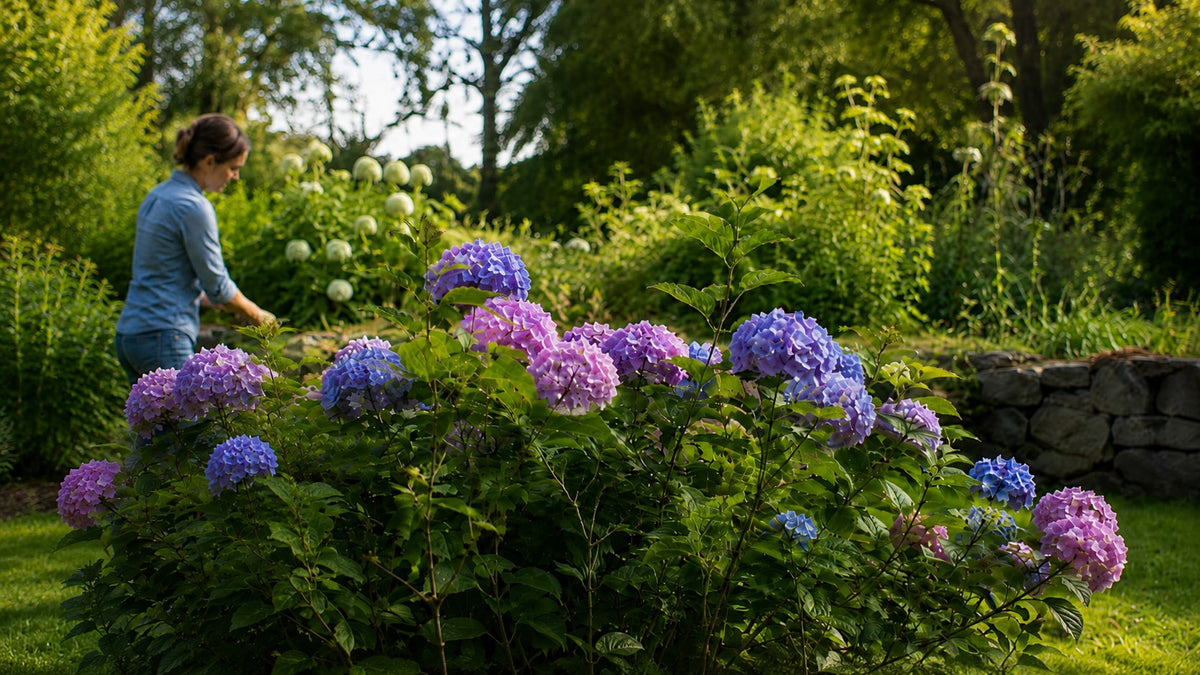
Muchos arbustos caducifolios, como los rosales y las hortensias que florecen en madera nueva, responden bien a la poda invernal. Esto fomenta un nuevo crecimiento vigoroso que producirá las flores de la temporada. La mayoría de los arbustos perennes requieren una poda mínima, pero el invierno es un buen momento para eliminar cualquier rama muerta, dañada o demasiado crecida para mantener su forma.
Enredaderas y cañas (vid, frambuesas)
El invierno es la estación principal para podar las vides para controlar su tamaño y maximizar el rendimiento de la fruta. Del mismo modo, las frambuesas de verano deben tener sus cañas viejas productoras de fruta (floricanes) eliminadas para dar paso a un nuevo crecimiento.
Plantas que NO debes podar en invierno
El grupo más importante de plantas que se deben evitar podar en invierno son los arbustos de floración primaveral que florecen en madera vieja. Esto incluye variedades como la forsythia, la lila y el rododendro. Podar estos arbustos en invierno elimina los brotes que ya se han formado, lo que resulta en la pérdida de flores de primavera. Estas plantas deben podarse inmediatamente después de que terminen de florecer.
Herramientas que necesitas para la poda invernal
Usar la herramienta adecuada garantiza cortes limpios que cicatrizan rápidamente. Para la poda invernal, tu kit de herramientas esencial debe incluir:
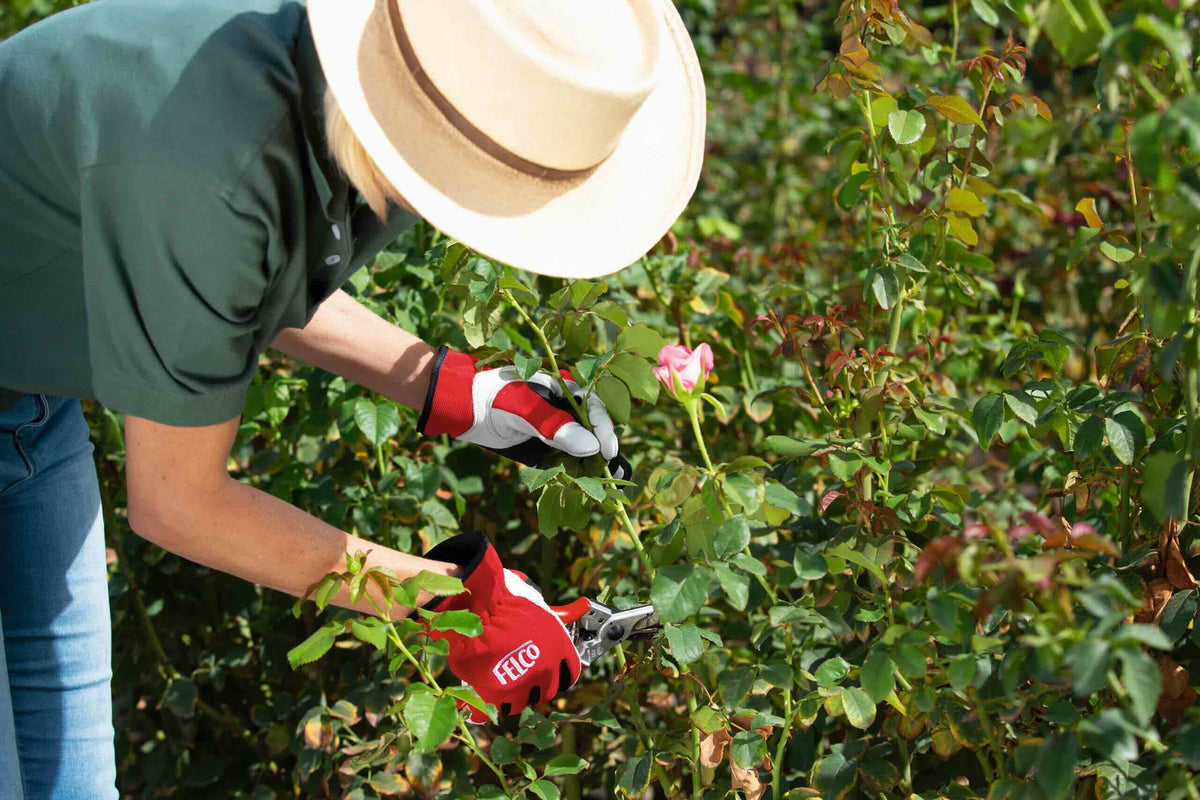
- Tijeras de podar de bypass para ramas pequeñas – Para ramas de hasta 2,5 cm de diámetro, un par afilado de tijeras de podar FELCO es indispensable. Realizan un corte limpio, similar al de una tijera, ideal para madera viva.
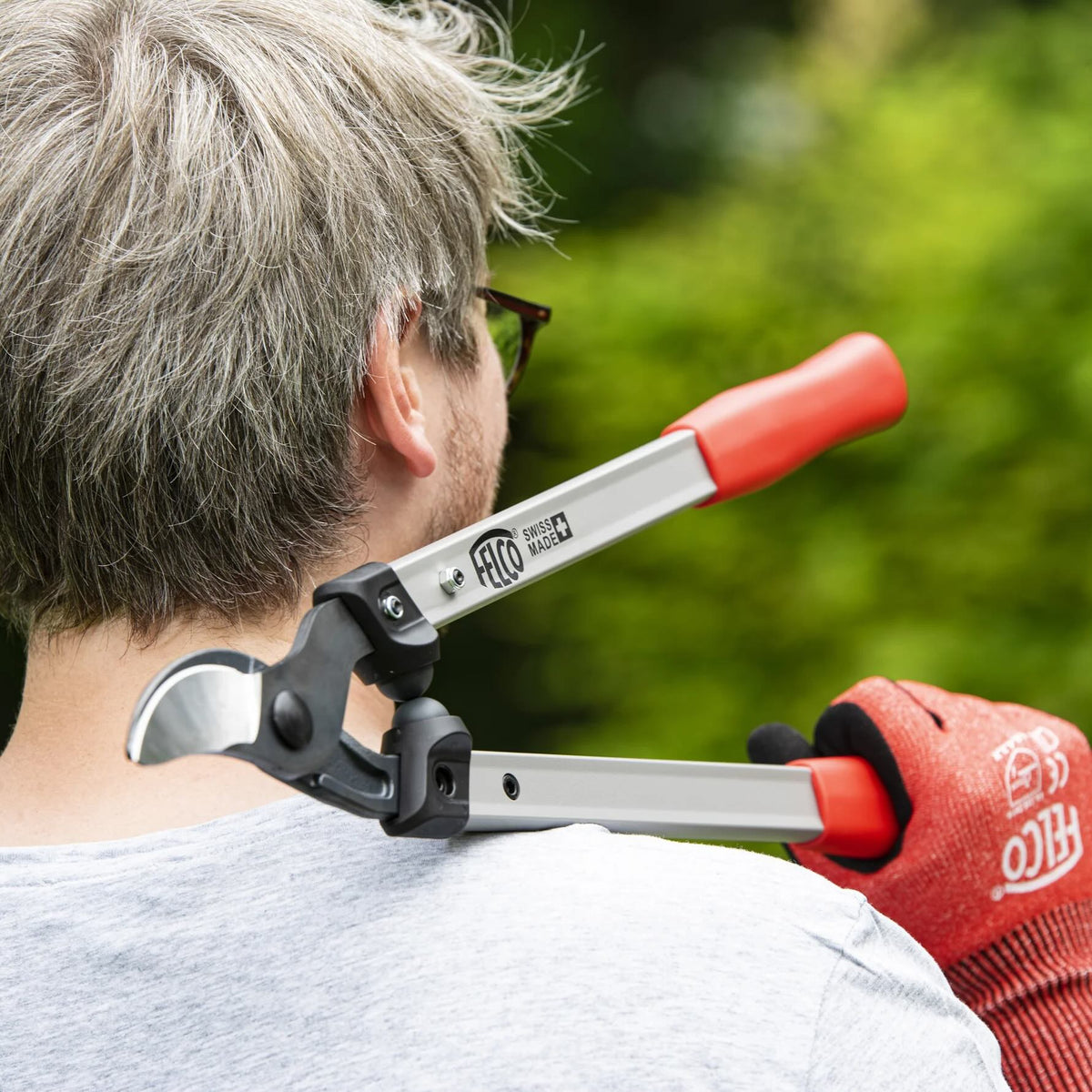
- Tijeras de podar de yunque para ramas de grosor medio a grueso – Cuando las ramas son demasiado gruesas para las tijeras de mano, las tijeras de podar de yunque proporcionan la palanca necesaria para un corte limpio. Sus mangos largos facilitan el acceso a los arbustos y el corte de ramas de hasta 5 cm de diámetro.
- Sierras de podar para ramas grandes – Para ramas principales de más de 5 cm de grosor, una sierra de podar es la herramienta correcta y más segura. Una sierra de tirar corta de forma eficiente sin atascarse, lo que permite una eliminación suave de las ramas grandes.
- Desinfectantes, piedras de afilar y guantes – Estos accesorios esenciales te ayudan a cuidar tus herramientas y a ti mismo. Mantener las cuchillas limpias con un desinfectante evita la propagación de enfermedades entre las plantas. Una piedra de afilar asegura que tus herramientas estén siempre listas para hacer los cortes más limpios. Un par de guantes resistentes protege tus manos de cortes y del frío.
Proceso de poda invernal paso a paso
Paso 1 – Inspeccionar las plantas y planificar los cortes
Antes de realizar cualquier corte, retrocede y examina toda la planta. Identifica su estructura principal y visualiza cómo quieres que quede. Marca mentalmente las ramas que están muertas, cruzadas o creciendo hacia el interior. Esta fase de planificación te evita quitar demasiada madera.
Paso 2 – Eliminar la madera muerta, enferma o dañada
Tus primeros cortes siempre deben ser para eliminar las tres D: madera muerta, enferma y dañada. Este material es improductivo y puede ser una fuente de problemas futuros. Corta hasta el tejido vivo y sano.
Paso 3 – Entresacar ramas superpobladas
A continuación, trabaja en el aclareo del dosel. Elimina las ramas que se rozan entre sí o que crecen hacia el centro de la planta. Esto ayuda a aumentar el flujo de aire y el alcance de la luz dentro de la planta, ambos esenciales para mantener a raya las enfermedades.
Paso 4 – Dar forma a las plantas para el equilibrio y la penetración de la luz
Finalmente, realiza cortes selectivos para mejorar la forma general y el equilibrio de la planta. Esto puede implicar acortar ramas para fomentar un crecimiento más tupido o eliminar las ramas inferiores para elevar el dosel. El objetivo es crear una estructura abierta y bien equilibrada.
Consideraciones de seguridad y clima
La poda en invierno requiere atención tanto a la seguridad personal como al clima.
Condiciones climáticas ideales para la poda
El mejor momento para podar es en un día suave y seco. Evita podar durante períodos de frío extremo (por debajo de cero), ya que esto puede hacer que la madera sea quebradiza y se agriete. Podar con tiempo húmedo también puede aumentar la propagación de enfermedades.
Protegerse (guantes, postura correcta, seguridad)
Utiliza siempre guantes resistentes para proteger tus manos. Al usar sierras o podaderas, asegúrate de tener una base estable y mantén una postura adecuada para evitar perder el equilibrio. Para árboles más grandes, utiliza el equipo de seguridad adecuado y considera contratar a un profesional para las ramas altas.
Evitar daños por heladas
La poda estimula una respuesta de curación en las plantas. Si podas justo antes de una helada fuerte, el tejido nuevo y tierno cerca del corte puede dañarse. Es mejor esperar hasta que haya pasado la parte más dura del invierno, generalmente a fines del invierno o principios de la primavera. Programa el corte justo antes de que comience la curación natural de la planta en primavera.
Errores comunes de poda invernal a evitar
- Poda excesiva – Nunca elimines más de un tercio del crecimiento total de la planta en un solo año.
- Dejar tocones – Los tocones son madera muerta que no cicatrizará y se convertirá en puntos de entrada para plagas y putrefacción. Corta las ramas hasta una rama principal o justo fuera del cuello de la rama.
- Podar las plantas equivocadas – Evita podar arbustos de floración primaveral que florecen en madera vieja.
- Usar herramientas desafiladas – Las cuchillas desafiladas aplastan y desgarran la madera, creando heridas que tardan en cicatrizar.
- Ignorar un plan – Hacer cortes aleatorios sin un objetivo claro puede arruinar la forma natural de una planta.
Conclusión
La poda invernal es una tarea proactiva y gratificante que sienta las bases para una temporada de crecimiento exitosa. Al comprender qué podar, cuándo hacerlo y cómo hacer los cortes adecuados, puedes mejorar significativamente la salud y la belleza de tu jardín. El uso de herramientas de precisión de alta calidad hace que el trabajo sea más fácil, seguro y eficaz.
Equípate con herramientas construidas para toda una vida de jardinería. Explora las tijeras de podar, cortarramas y sierras FELCO para que cada corte cuente.
Preguntas frecuentes
¿Qué debo podar en invierno?
Debes podar la mayoría de los árboles caducifolios (incluidos los frutales), los arbustos caducifolios que florecen en madera nueva (como muchos rosales) y las vides, como las uvas.
¿Se pueden podar árboles y arbustos cuando hace frío?
Es mejor evitar podar con temperaturas bajo cero. La madera puede volverse quebradiza y puede agrietarse o partirse, y la planta tardará más en cicatrizar.
¿Qué plantas NO deben podarse en invierno?
No podes los arbustos de floración primaveral que florecen en madera vieja, como la forsythia, la lila, las azaleas y los rododendros, ya que eliminarías sus yemas florales.
¿Es mejor la poda invernal que la estival?
La poda invernal es la mejor para trabajos estructurales importantes y para estimular un crecimiento vigoroso en primavera. La poda estival es mejor para dar forma ligeramente y eliminar el crecimiento no deseado.
¿Cuál es el mejor mes para la poda invernal?
El final del invierno (por ejemplo, febrero y principios de marzo en muchos climas) suele ser ideal. Esto es después de que haya pasado lo peor del frío, pero antes de que comience el ciclo de crecimiento activo de la planta.
¿Necesito herramientas especiales para la poda invernal?
No necesitas herramientas "especiales", pero sí las herramientas adecuadas: tijeras de podar de bypass afiladas, podaderas de bypass para ramas medianas y una sierra de podar para ramas grandes. La calidad importa para hacer cortes limpios.
¿Cómo desinfecto las herramientas de poda en invierno?
Puedes desinfectar las herramientas limpiando las cuchillas con un paño empapado en una solución de alcohol isopropílico al 70% o un desinfectante doméstico. Limpia tus herramientas entre plantas para evitar la propagación de enfermedades.
¿Debo sellar los cortes de poda en clima frío?
Generalmente, no. Los selladores de poda ya no se recomiendan para la mayoría de los cortes, ya que pueden atrapar la humedad e inhibir el proceso de curación natural del árbol.
¿Puede la poda invernal dañar las plantas si se hace mal?
Sí. Podar en el momento equivocado (por ejemplo, cortar plantas que florecen en primavera), hacer cortes incorrectos o quitar demasiado puede estresar o dañar una planta.
¿Cuáles son los errores más comunes de poda invernal que se deben evitar?
Los errores más comunes incluyen podar arbustos de floración primaveral, hacer cortes al ras que dañan el cuello de la rama, dejar tocones que pueden pudrirse y eliminar demasiado de la planta a la vez.